Introduction
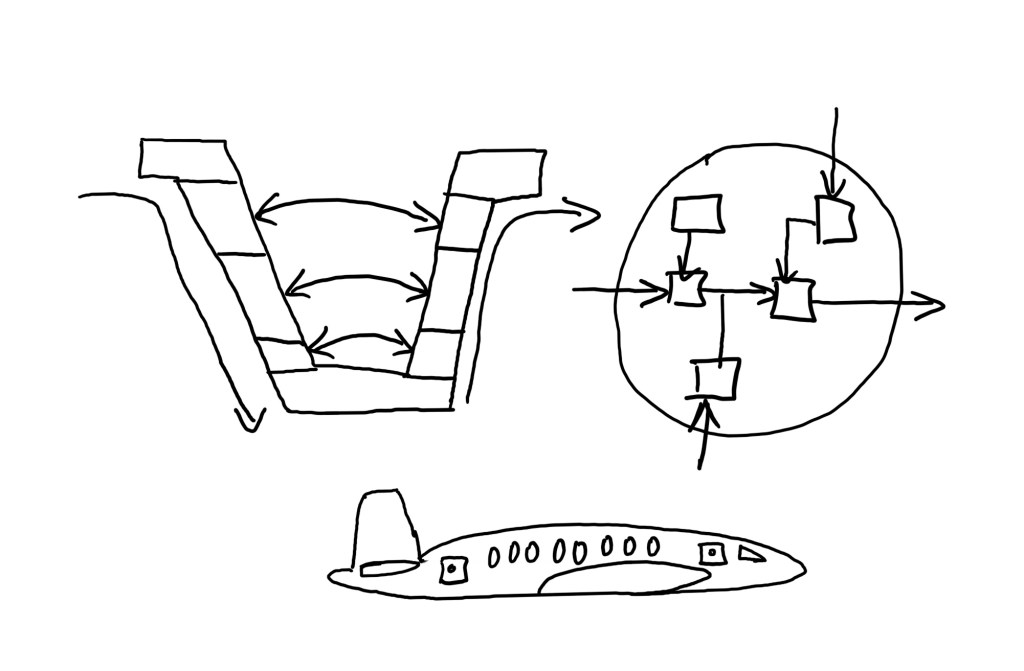
Systems Engineering may seem like a novel concept to many joining the engineering industry. Contrary to the common misconception that it is a term exclusive to software engineering or IT, Systems Engineering has its roots deeply embedded in the automotive and aerospace industries since the 1950s. This discipline has been around for decades and, like many areas of engineering, has received a significant boost with the advent of computing.
This is also a field of engineering that I believe is not receiving the attention it should at universities and so graduates are entering the industry without the knowledge of what the industry may be asking of them.
What is Systems Engineering
Systems Engineering encompasses a broad range of activities. It is concerned with system integration, systems of systems, project management, and much more.
A small history of Systems Engineering
Systems Engineering has been prevalent since the 1940s, gaining momentum during World War II. The term was initially associated with Bell Labs, highlighting the necessity for an integrated approach to managing the complexity of large-scale engineering projects, particularly in military applications. This led to the development of new methodologies aimed directly at addressing these complexities.
The establishment of the National Council on Systems Engineering (NCOSE) in 1990, later becoming the International Council on Systems Engineering (INCOSE) in 1995, marked a significant milestone. This formalisation of the discipline and its practices was in response to the growing demand for enhanced systems engineering practices and education.
Engineering V Diagram
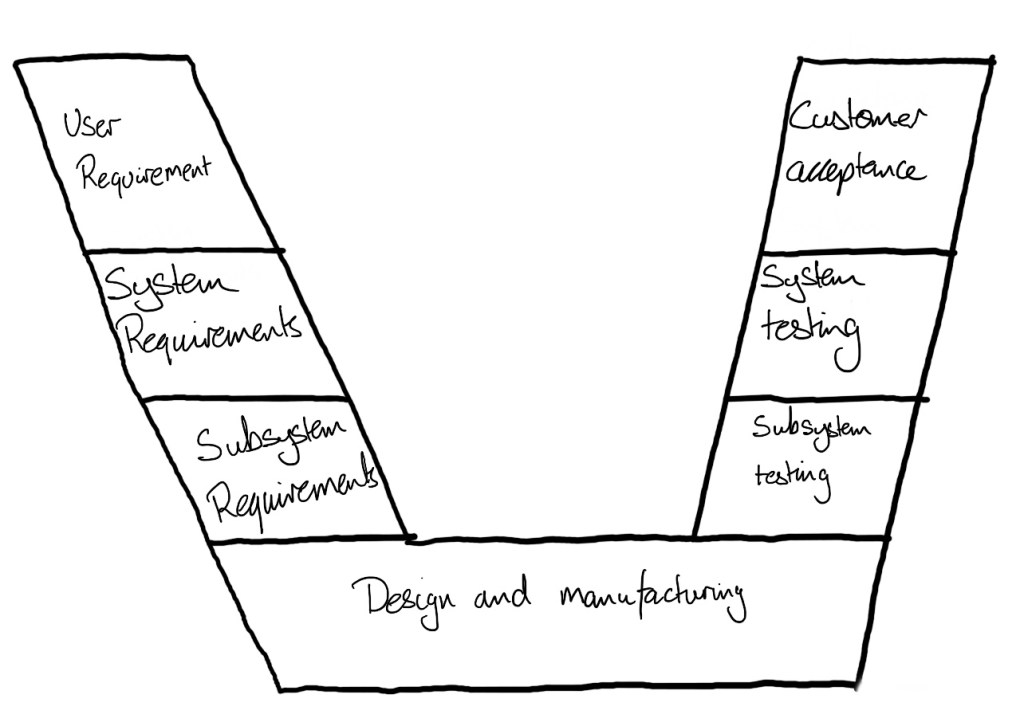
A pivotal aspect of Systems Engineering is the Engineering V Diagram. This diagram elucidates an idealised process by which a product, service, or process is engineered. Multifaceted in nature, the V diagram encapsulates multiple concepts simultaneously. It delineates the relationship between requirements and testing, illustrating how user requirements are decomposed into system and sub-system requirements, and how testing is conducted from a component level up to the total system.

This diagram serves as an excellent representation of the Plan-Do-Check-Act (PDCA) cycle. As we descend the V, we plan the final design of the product through effective requirements management. At the nadir of the V, the ‘Do’ phase is completed with the finalisation of the design. Ascending the V, we ‘Check’ our work against our ‘Plan’ (requirements) to ensure alignment and correctness. The final step Act can refer to moving to the next stage of the project or to go back and revise the Plan (requirements) and repeat the PDCA process until we reach a satisfactory result.
Systems of Systems
A critical concept in Systems Engineering is the notion of ‘systems of systems’. These are entities that are systems in their own right but also part of larger, overarching systems or contain multiple sub-systems within them.
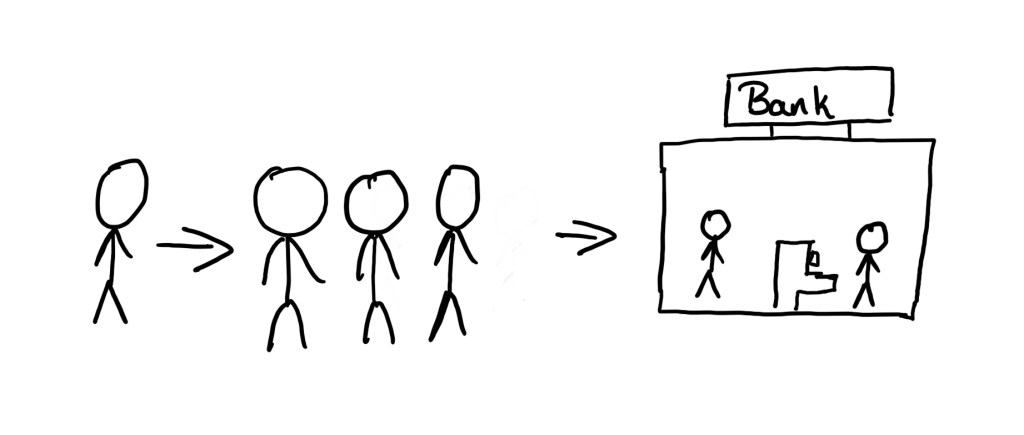
An illustrative example is the human body. The body is a system that exists within a societal context, interacting with numerous other systems (e.g., financial systems).
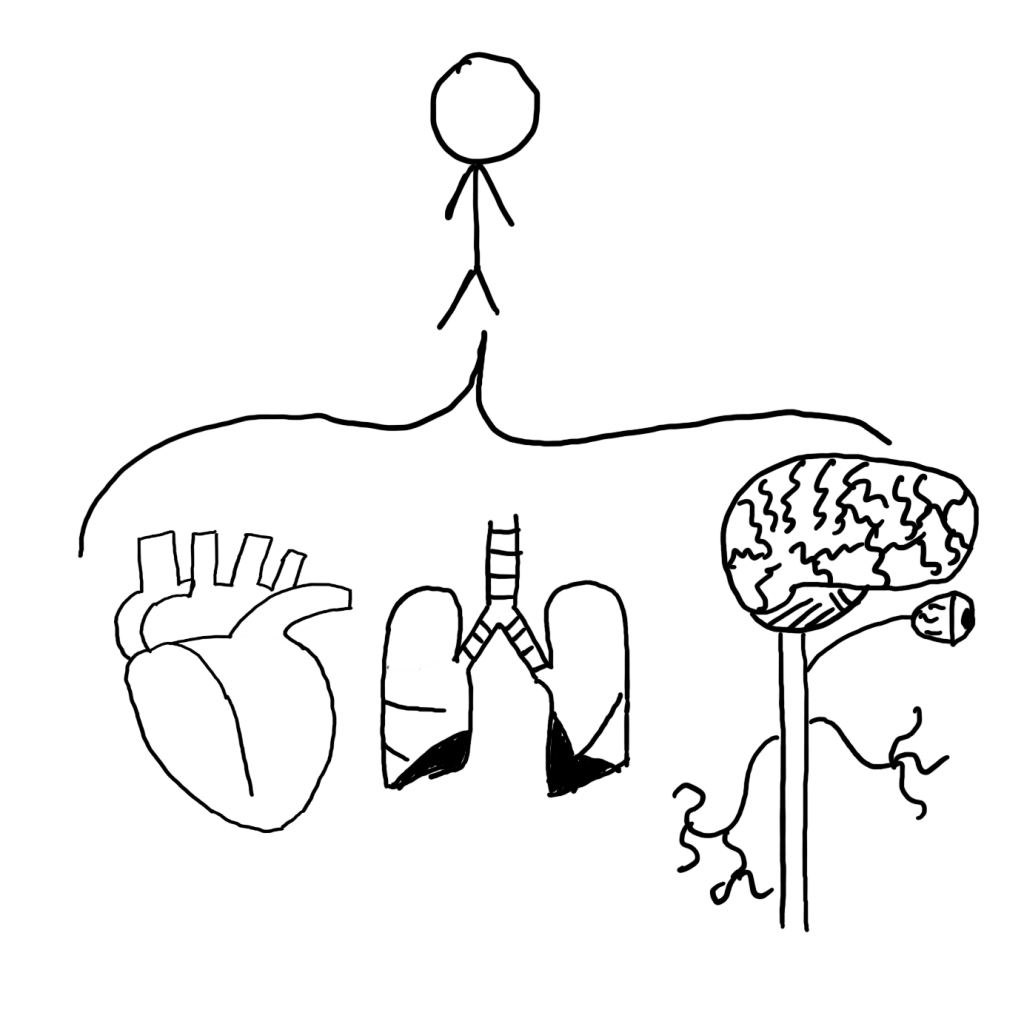
Moreover, it comprises a plethora of sub-systems, such as the cardiovascular system, which circulates blood; the respiratory system, which facilitates the exchange of oxygen and carbon dioxide; and the nervous system, which enables movement, sensation, and thought.
These sub-systems must operate in concert to maintain health and functionality. Disruption in their integration can lead to diminished performance and a lower quality of life. Thus, the objective of a systems engineer is to ensure that these sub-systems synergise effectively to create a coherent end product. Future discussions will delve deeper into the industry’s evolving focus on systems of systems.
Systems Thinking
The world is complex and difficult to understand. It doesn’t work in a linear manner and contains and multitude of interconnections. System Engineers need to be able to make sense of this chaos and create a boundary around the thing of their concern.
Being able to understand these complexities help System Engineers create better solutions that meet the customer needs.
An example of this is the predicting emergent behaviours. As suggested by the name, these are behaviours that are not present in the initial design bur emerge over time, sometimes unexpectedly. Emergent behaviour can be both desirable and disastrous, as such it is important that we mitigate them as much as possible.

An intriguing example of emergent behaviour going awry was observed with the new high-speed French trains. These trains were engineered to transport passengers across the country, stopping at major cities. With this objective, engineers increased the trains’ size to enhance performance and accordingly modified the platforms at these major cities.
However, what the designers and customers overlooked were the platforms between the cities that serviced the countryside; these had not been adjusted or considered during the design phase. Consequently, the trains were too large for these stations, necessitating extensive work to modify the stations.
If we fail to thoroughly examine the relationships and intricacies of the world around us, we will continue to be surprised by such emergent behaviours.
Why do Systems Engineering
In the realm of engineering, Systems Engineering stands out as a discipline integral to conceptualizing, designing, and managing complex systems effectively. Its importance cannot be overstated, particularly when considering the multifaceted challenges and demands of today’s engineering projects. Let’s explore the key reasons why Systems Engineering is not just relevant but essential in the current landscape.
Addressing Complexity
The origins of Systems Engineering can be traced back to the 1940s, a time notably marked by the challenges of World War II. It was during this period that the pressing need to manage the complexity of large-scale military projects catalysed the birth of Systems Engineering. This historical juncture established a solid foundation for a discipline predicated on the integration of disparate systems into unified, coherent entities.
As we progress through time, the complexity inherent in products across various industries has escalated dramatically. Taking the automotive industry as an illustrative example, vehicles have progressively moved away from being user-repairable. This trend is evident in practices such as manufacturers voiding warranties when vehicles are serviced by third parties, underscoring a shift towards more closed, complex systems.
Similarly, the aerospace sector has witnessed a surge in aircraft complexity, to the extent that end customers often find themselves incapable of fully servicing their fleets. This has led to an increased dependency on comprehensive support from the broader industry, highlighting the growing intricacies and interdependencies within modern engineering projects.
In this contemporary engineering landscape, characterised by a ‘systems of systems’ approach, the demands for integration and oversight have intensified. Systems Engineering, with its robust methodologies and frameworks, stands as a critical discipline equipped to navigate and manage these complexities. It ensures that engineering projects are not merely viable but are also tailored for optimal performance and sustainability, reflecting the discipline’s enduring relevance from its wartime inception to the multifaceted challenges of today.
Enhancing Integration and Functionality
The Engineering V Diagram exemplifies the systematic approach Systems Engineering brings to product and system development. By detailing the process from user requirements down to subsystem specifications and testing, it offers a blueprint for thoroughness and precision. This model ensures that every component of a system is aligned with the overall objectives, enhancing integration and functionality across the board. In doing so, Systems Engineering mitigates risks associated with disjointed or misaligned elements, leading to more reliable and efficient outcomes.
Fostering Innovation through Systems Thinking
Systems Thinking is at the heart of Systems Engineering, promoting an understanding of complex systems as more than just the sum of their parts. This perspective is crucial in anticipating and mitigating emergent behaviours—unexpected outcomes that can arise when systems interact in unforeseen ways. The notorious collapse of the Tacoma Narrows Bridge serves as a stark reminder of the importance of considering all potential variables and interactions within system designs. By applying Systems Thinking, engineers can design solutions that are not only innovative but also resilient to the dynamic and interconnected nature of real-world environments.
Meeting Customer Needs
Ultimately, the goal of Systems Engineering is to deliver solutions that meet or exceed customer expectations. This discipline emphasizes the early validation of requirements to ensure they align with customer needs, thereby avoiding costly redesigns and ensuring project success. In an era where user requirements are increasingly complex and multifaceted, Systems Engineering provides the tools and approaches necessary to articulate, validate, and fulfil these needs efficiently.
Conclusion
Systems Engineering, with its rich history and comprehensive methodologies, is indispensable in the contemporary engineering landscape. It offers a structured yet flexible framework for addressing the complexity, integration, and innovation required in today’s projects. By prioritizing systems thinking and customer-centric design principles, Systems Engineering not only navigates but also leverages the intricacies of modern systems to deliver solutions that are efficient, sustainable, and aligned with the evolving demands of society. As we continue to push the boundaries of technology and engineering, the principles and practices of Systems Engineering will undoubtedly play a pivotal role in shaping the future.
 T.W. Projects
Leave a comment